
Unmasking Kochava: The Mobile Tracking Giant Accused of Illegal Data Collection
TECHNOLOGY
Debbie Edwards
5/7/20261 min read
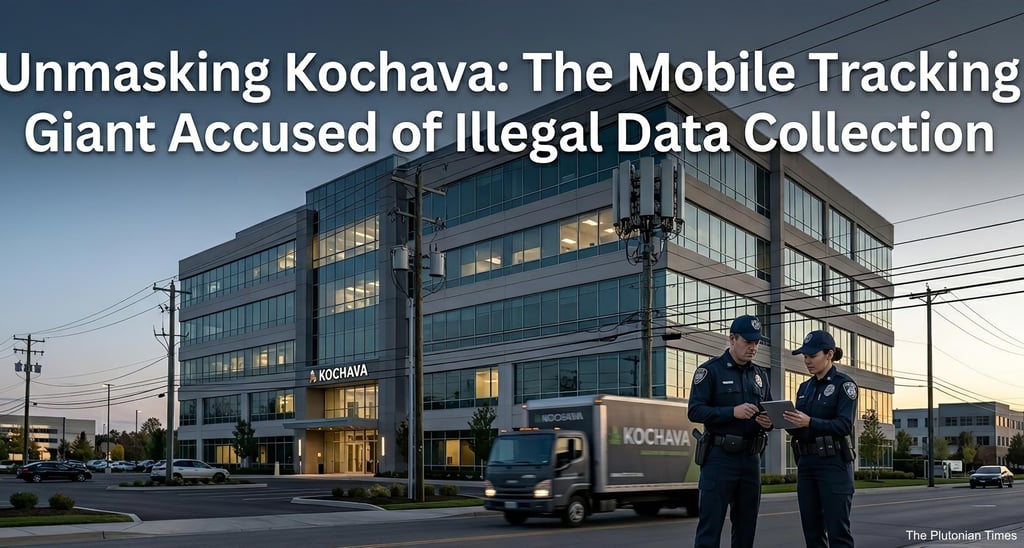
Mobile apps track user movements and behaviors extensively. Kochava, a major mobile analytics and attribution company, helps marketers measure campaign performance. However, the company faced accusations of collecting and selling sensitive user data without proper consent, resulting in a settlement with the Federal Trade Commission (FTC).
What Is Kochava?
Kochava acts as a mobile measurement partner (MMP). It provides tools for app developers and advertisers to track installs, user events, ad clicks, and in-app behaviors through software development kits (SDKs) embedded in mobile apps. These SDKs capture device identifiers, location data, and user actions.
Beyond analytics, Kochava functions as a data broker. It aggregates data from millions of devices and sells datasets, including precise geolocation tied to persistent identifiers.
The FTC Lawsuit
In August 2022, the FTC sued Kochava for unfair practices. The agency alleged that Kochava collected precise location data without meaningful consumer consent. This data enabled tracking to sensitive locations such as reproductive health clinics, places of worship, addiction recovery centers, domestic violence shelters, and homeless facilities.
The FTC showed that buyers could re-identify individuals, for example, by tracing a device from an abortion clinic to a home address. Kochava reportedly sold this information with few controls to prevent misuse. Consumers had no easy way to know or opt out of the data sharing.
The 2026 Settlement
In May 2026, Kochava and its subsidiary reached a proposed settlement with the FTC. The agreement permanently bars the companies from selling, sharing, or disclosing sensitive location data without affirmative express consent. Data use must be limited to services directly requested by the user. The settlement does not require an admission of wrongdoing.
References
Federal Trade Commission press releases (2022 and 2026)
AdExchanger coverage (2026)
The Record reporting (2026)
Court documents and analyses from Privacy SOS, Bloomberg Law, and Bleeping Computer (2023-2026)