
This Secret Cincinnati Library Holds 150,000 Rare Herbal Texts That Could Change Medicine Forever
HISTORY
Debbie Edwards
5/21/20263 min read
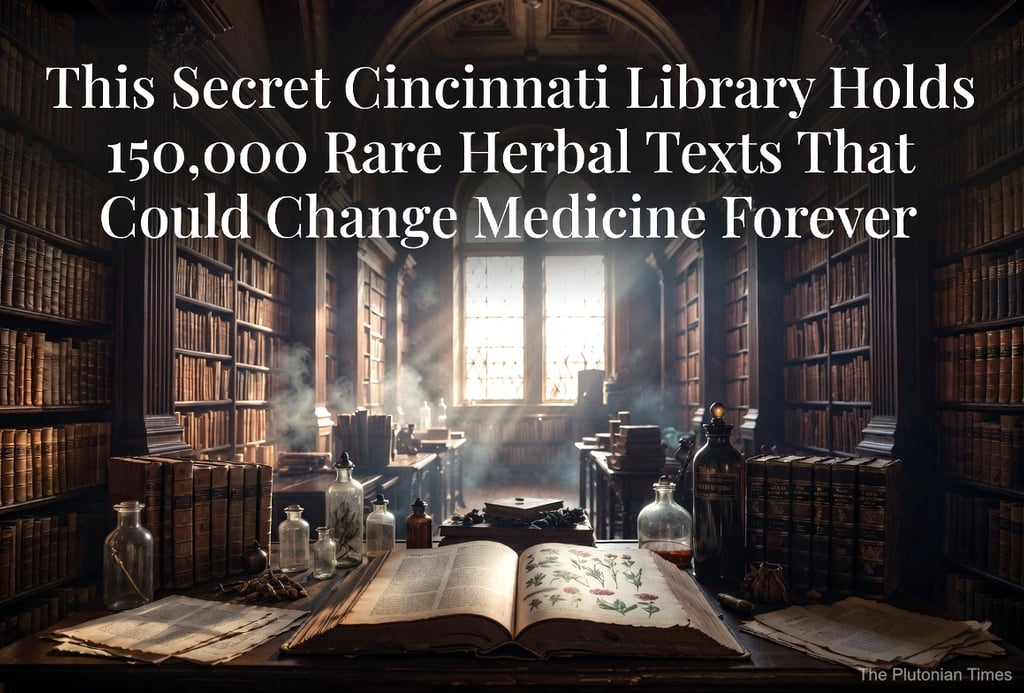
Eclectic Medicine emerged as a distinctive American approach to healing in the 19th century. It blended botanical remedies, patient centered care, and a respect for the body’s natural abilities to recover. This movement drew from early herbal traditions, including those of Samuel Thomson and Native American practices, while rejecting the aggressive methods like bloodletting common in conventional medicine of the era. Practitioners focused on plant based medicines, especially those native to North America, to create a uniquely American materia medica.
Core Principles and Development
The term eclectic comes from the idea of selecting the best from various systems. Founded by Dr. Wooster Beach in the early 1800s as a reform against harsh treatments, the movement grew rapidly. The Eclectic Medical Institute in Cincinnati, chartered in 1845, became a leading center. Distinguished educators there included John Milton Scudder, John King, and John Uri Lloyd. These physicians emphasized specific medication, using concentrated plant extracts tailored to individual patient needs rather than broad disease categories.
Influential Texts and Practitioners
At its peak in the late 1800s and early 1900s, Eclectic schools trained thousands of doctors across the United States. Key texts shaped the practice. John King’s American Dispensatory offered detailed descriptions of medicinal plants and preparations. Scudder’s work on specific medication promoted minimal yet effective dosing. Harvey Wickes Felter and others contributed to comprehensive references that combined observation, chemistry, and clinical experience.
John Uri Lloyd and Pharmaceutical Innovations
John Uri Lloyd stands out as a central figure. A pharmacist, chemist, author, and educator, he co founded Lloyd Brothers, Pharmacists, Inc. with his brothers. They produced high quality Specific Medicines using innovative extraction methods like the cold still process, which preserved delicate plant compounds. Lloyd’s writings, including studies on elixirs and plant drugs, advanced pharmaceutical knowledge while supporting Eclectic principles. His vision led to the creation of the Lloyd Library to preserve this heritage.
The Lloyd Library and Museum
The Lloyd Library and Museum in Cincinnati, Ohio, serves as the premier repository for Eclectic history. Founded by the Lloyd brothers in the late 19th century, it began with their personal collections of books on pharmacy, botany, and chemistry. Over time, it absorbed libraries from closing Eclectic schools as the movement declined. By the time the last Eclectic medical school closed in 1939, the library held vast archives of books, journals, manuscripts, and artifacts.
Rare Texts and Treasures
Today the collection exceeds 150,000 volumes. It covers botany, herbal medicine, pharmacy, and related fields, with rare books dating back to 1493. Highlights include early European herbals, beautifully illustrated floras, and American works like Constantine Rafinesque’s Medical Flora from the 1820s. Researchers find original editions of Eclectic journals, pharmacopeias, and personal papers from key physicians. The archives also house photographs, medicine bottles, and pharmaceutical equipment that bring the era to life.
Rare texts in the library offer deep insights. Works by Carl Linnaeus and other foundational botanists sit alongside American titles from the early republic. Eclectic specific materia medica volumes detail hundreds of indigenous plants, their preparations, and therapeutic uses based on decades of clinical practice. These documents reveal a sophisticated system that integrated empirical knowledge with emerging science. Many texts were nearly lost until preserved here and later digitized by dedicated herbalists.
Decline and Enduring Legacy
The decline of Eclectic Medicine came with the rise of standardized pharmaceutical approaches and regulatory changes following the Flexner Report of 1910. Schools struggled to meet new requirements favoring laboratory based medicine over vitalist, plant centered models. Yet the legacy endures through the Lloyd Library, which continues to support research into natural products and historical healing practices.
Modern herbalists and historians turn to these resources for inspiration. The library’s holdings connect contemporary practitioners to a rich tradition of observation and botanical innovation. Visitors and scholars explore not only texts but also the stories of physicians who advocated gentle, effective care rooted in nature.
The Lloyd Library stands as a living monument to Eclectic Medicine. Its rare texts and historical collections preserve a chapter of American healing that emphasized harmony with the body and the plant world. For anyone interested in the roots of botanical medicine, this institution offers an unparalleled window into the past and its relevance today.
References
Lloyd Library and Museum official resources on Eclectic Medicine and collections.
Historical accounts of John Uri Lloyd and Eclectic physicians.
Archival descriptions from biodiversity and herbal literature sources.
Works by key figures including King, Scudder, Felter, and Lloyd.