The Sudden Death of David Wilcock and the Growing Cluster of Losses in UFO Disclosure
UNSOLVED MYSTERIES & CRIME
Debbie Edwards
4/21/20263 min read
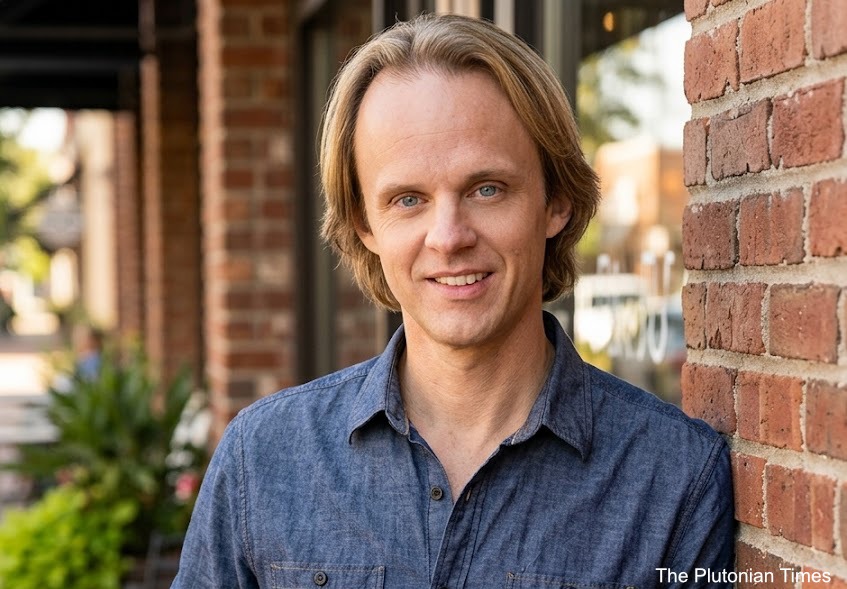
The paranormal and UFO disclosure communities woke up yesterday to heartbreaking news. David Wilcock, a prominent writer, media personality, and advocate for government transparency on extraterrestrial phenomena, passed away on April 20, 2026, near his home in Nederland, Colorado. According to initial reports from Boulder County authorities, Wilcock died by suicide after deputies responded to a call involving a man holding a weapon outside a residence. He was 53 years old.
While the official details point to a personal mental health crisis, his death arrives amid a documented cluster of mysterious deaths and disappearances involving scientists, engineers, and researchers connected to nuclear programs, aerospace technology, and UFO/UAP studies. This pattern has fueled urgent questions from lawmakers and the public about possible links to classified government work. Wilcock, though primarily known for his paranormal research rather than direct government lab ties, stood as a public face of the broader disclosure movement. His passing adds another layer to the conversation about the personal costs faced by those who push for openness on these sensitive topics.
From Psychology Student to Disclosure Advocate
Born in 1973 in Rotterdam, New York, Wilcock graduated from the State University of New York at New Paltz in 1995 with a degree in psychology. Early in his adult life, he worked briefly at a psychiatric hospital. His path shifted dramatically in the 1990s after hearing secondhand accounts suggesting NASA had recovered UFOs from crash sites. Personal experiences, including claims from a Shinto shaman and a roommate’s dream, deepened his interest in the paranormal and spiritual realms. By the late 1990s, some around him began suggesting he might be the reincarnation of the famed psychic Edgar Cayce, a belief that Wilcock himself explored openly.
Wilcock became a central figure in what is often called the disclosure movement, which calls for an end to alleged U.S. government secrecy surrounding UFOs, extraterrestrials, and advanced technologies. He authored several books that blended science, spirituality, and ancient civilizations. In 2004, he co-wrote The Reincarnation of Edgar Cayce? with Wynn Free, presenting the idea that humanity stood on the brink of a major energetic transformation. Later works, including The Source Field Investigations (2012), examined hidden science behind 2012 prophecies and predicted shifts toward higher consciousness. Two of his books, Awakening in the Dream and The Ascension Mysteries, reached New York Times bestseller lists.
Media Presence and Cosmic Disclosures
Wilcock reached wide audiences through television, film, and online platforms. From 2015 to 2018, he co-hosted Cosmic Disclosure on Gaia alongside Corey Goode. His 2018 documentary Above Majestic explored claims of reptilian extraterrestrials, government control, and connections to events like the September 11 attacks. The 2019 film The Cosmic Secret drew from what Wilcock described as telepathic communications with extraterrestrials, warning of potential global changes. He appeared regularly on the History Channel’s Ancient Aliens and maintained an active YouTube channel since 2010, where he shared research and commentary.
By 2023, Wilcock had taken on the role of director of advanced technology at Stavatti Aerospace, bridging his public advocacy with practical work in aerospace innovation. He lived in Colorado at the time of his death.
A Pattern of Losses in UFO and Government Research Circles
Wilcock’s death occurs against a backdrop of at least 10 to 11 recent cases involving high-level scientists and researchers linked to sensitive U.S. programs. These include disappearances and deaths tied to nuclear facilities, aerospace defense, anti-gravity research, and explicit UFO/UAP inquiries. Recent examples cited in national reporting include the vanishing of retired Air Force Major General William “Neil” McCasland in February 2026 and the suicide of aerospace researcher Amy Eskridge, who worked on anti-gravity and extraterrestrial technologies. Lawmakers on the House Oversight Committee have described the string of incidents as “too coincidental” and called for investigations into possible foreign interference or internal pressures related to classified information.
While authorities maintain that many of these cases appear unrelated on the surface, the overlapping connections to UFO-adjacent fields have sparked widespread speculation. Some ufologists, including Dr. Steven Greer, have suggested that individuals with deep knowledge may face heightened risks, whether through external threats or personal strain from the weight of what they know. Wilcock operated outside direct government labs, yet his public work on telepathic contact, hidden technologies, and government secrecy placed him squarely in the same cultural and informational ecosystem. His sudden passing, even if ruled a suicide, surprises many in the paranormal community and underscores how the pursuit of disclosure can carry profound personal tolls.
Toward Greater Transparency
David Wilcock dedicated decades to exploring ideas that mainstream institutions often dismiss. Whether one agrees with his theories about reincarnation, extraterrestrial contact, or planetary ascension, his role in keeping these discussions alive helped shape modern disclosure conversations. As more voices call for full government transparency on UAPs and related programs, his loss reminds us that the search for truth is not abstract. It affects real people who step forward with questions that challenge official narratives.
In the spirit of the disclosure movement Wilcock championed, we urge continued, evidence-based scrutiny of these patterns. Families deserve answers. The public deserves honesty about what our government knows regarding unidentified phenomena and advanced technologies.
Wilcock’s work encouraged millions to look beyond the surface. As the disclosure conversation evolves, his contributions, and the circumstances surrounding his death, deserve honest reflection rather than silence.