NASA Nuclear Engineer Dies in Fiery Tesla Crash - Coincidence or Pattern?
UNSOLVED MYSTERIES & CRIME
Debbie Edwards
4/23/20262 min read
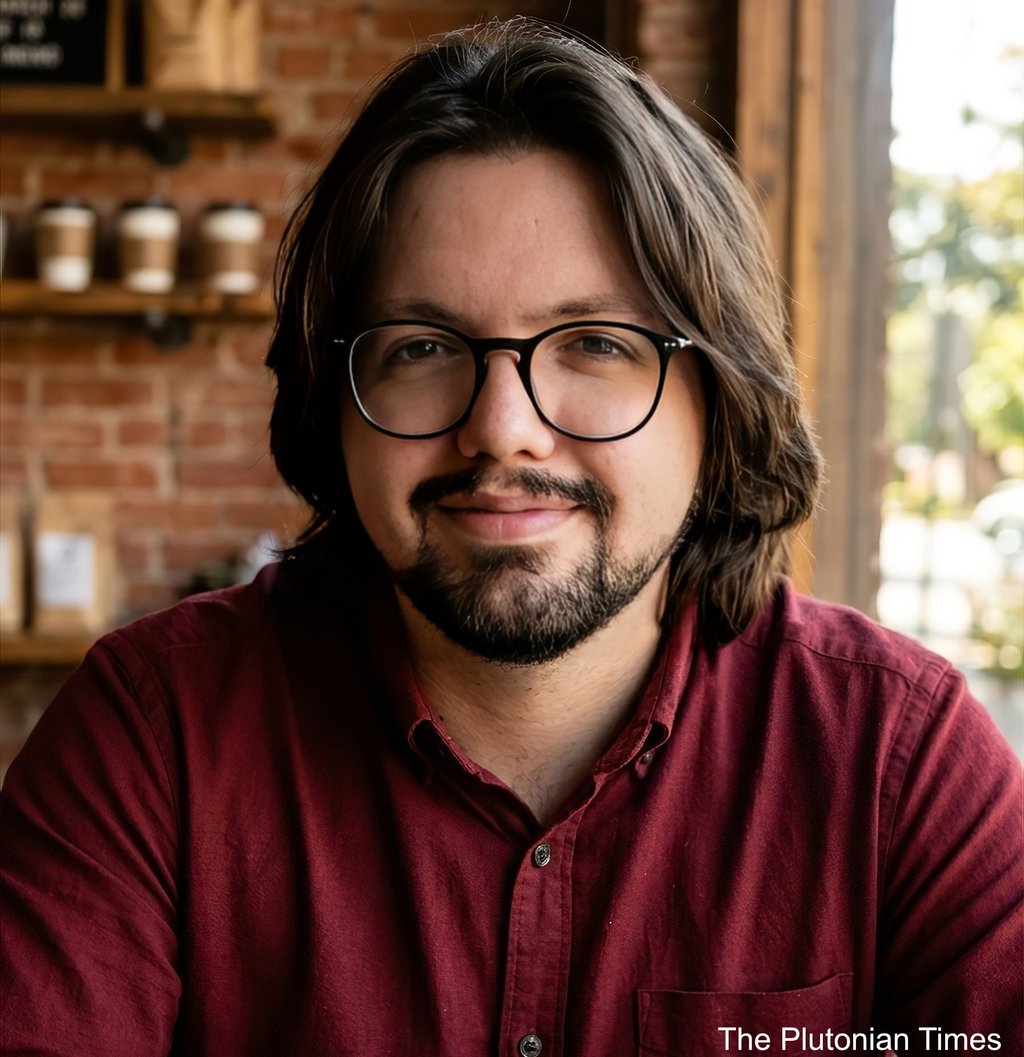

Joshua Kyle LeBlanc, a 29-year-old electrical engineer at NASA’s Marshall Space Flight Center in Huntsville, Alabama, died on July 22, 2025, in a single-vehicle crash. His 2021 Tesla Model 3 veered off a rural road in Walker County, struck a guardrail and multiple trees, and caught fire. The intense blaze left his body burned beyond immediate recognition, requiring forensic identification. Authorities ruled the incident a traffic accident.
LeBlanc’s case gained renewed public attention in April 2026 amid reports of other unexplained deaths involving scientists in nuclear and aerospace fields. While no foul play was officially determined, family members highlighted several unusual details.
Background and Education
Born February 8, 1996, in Lafayette, Louisiana, LeBlanc grew up in New Iberia. He graduated from Catholic High School in 2014 and earned a bachelor’s degree in electrical engineering from the University of Louisiana at Lafayette. As a student, he contributed to the Cajun Advanced Propulsion and Electronics (CAPE) student satellite program, building early expertise in space technology.
NASA Career
LeBlanc joined NASA around 2020 and worked for about five and a half years. He started at the Michoud Assembly Facility in New Orleans before moving to Marshall Space Flight Center. He specialized in instrumentation and control systems for nuclear propulsion.
As team lead for the Instrumentation and Control Maturation effort in NASA’s Space Nuclear Propulsion program, he played a key role in technologies designed to power future crewed missions to Mars. He also contributed to the Demonstration Rocket for Agile Cislunar Operations (DRACO) project, a NASA-DARPA collaboration developing nuclear thermal propulsion systems that could significantly reduce travel times to Mars and beyond. Colleagues praised his problem-solving skills and technical contributions to fission power and advanced instrumentation.
The Final Day
LeBlanc’s last known contact with family occurred around 4:32 a.m. on July 22. He failed to appear at work, leading to a missing person report. He had left his phone, wallet, and dog behind at his apartment, which family said was highly unusual.
Tesla telemetry data showed the vehicle parked for nearly four hours at Huntsville International Airport, only 12 minutes from his home. It then traveled west along rural roads. Around 2:45 p.m., responders found the burned wreckage on Hill Road near Drummond Switch Cut Off Road, south of Empire in Walker County. The Alabama Law Enforcement Agency (ALEA) investigated the crash.
Family Concerns
LeBlanc’s family in Louisiana questioned the circumstances and requested video from the Tesla’s Sentry Mode cameras. They reported delays in obtaining the footage due to coordination between law enforcement and Tesla. The case was handled as a single-vehicle accident with no public finding of foul play.
Broader Context and Legacy
In April 2026, LeBlanc’s death was mentioned alongside other cases involving researchers in sensitive scientific fields. Federal agencies have reviewed some of these incidents, though no specific connections were confirmed for his case.
His death underscores the personal risks faced by those advancing cutting-edge aerospace research. As of April 2026, the full circumstances remain a topic of discussion among those seeking clearer answers.
Key Sources
Alabama Law Enforcement Agency statements and local news (AL.com, WAAY, WHNT)
Family interviews via KLFY-TV
Professional background from public NASA-related profiles and obituaries
April 2026 coverage by Fox News Digital and other outlets