
Hope for Healing: New Ways to Clear Alzheimer's Proteins and Support Brain Recovery
SCIENCEHEALTH
Debbie Edwards
4/21/20263 min read
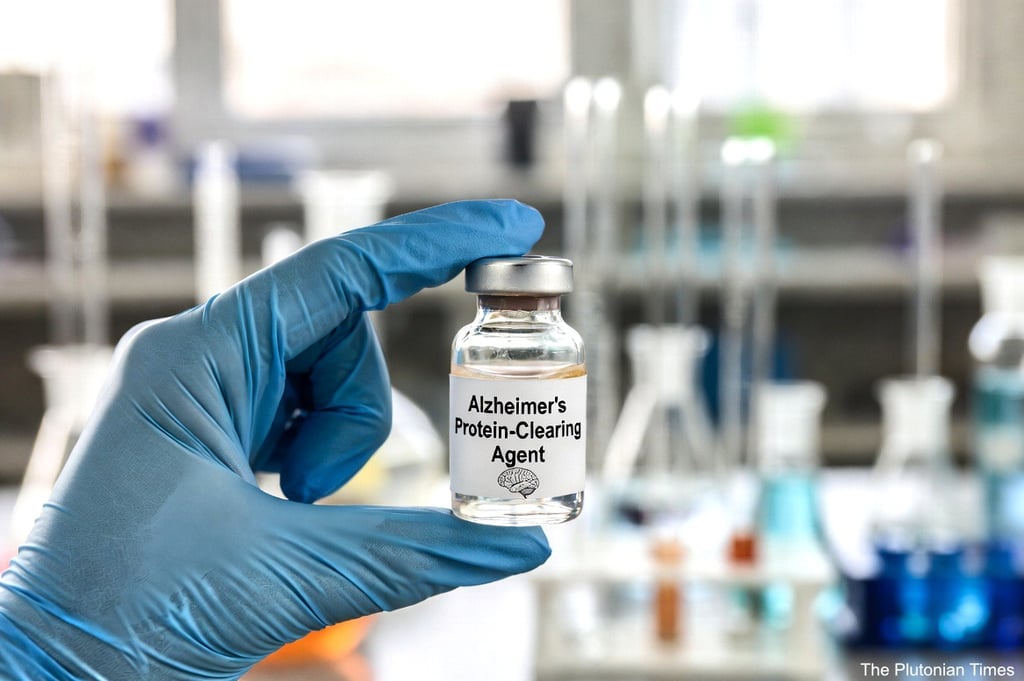
Alzheimer’s disease steals memories and independence by letting harmful proteins like amyloid beta build up in the brain. These proteins clump together, damage brain cells, and make clear thinking harder over time. For years, treatments have tried to slow this down, but many people wonder if real healing and recovery are possible.
Exciting new research is exploring gentler ways to help the brain heal by removing or clearing these toxic proteins from the blood or encouraging the brain to flush them out naturally. The goal is not just to slow decline, but to give people a chance to regain some mental clarity and daily abilities, especially if started early.
One idea getting attention involves a special blood-filtering system using tiny nano-sized filters. The concept is simple: blood is gently taken from the body, passed through a filter that traps the harmful proteins (similar to how dialysis works for kidneys), and then returned clean. Early stories suggest this could lower protein levels in just a few hours and possibly bring noticeable improvements in thinking and daily life for people in the milder stages. While solid human trial results are still limited and more verification is needed, the approach feels promising because it is less invasive than brain surgery and works with the body’s own systems.
Supporting this idea is solid lab work. In 2023, researchers tested a nanoporous ceramic filter in mice and showed it safely captured amyloid proteins without major side effects. This kind of physical removal could help shift the balance so the brain releases more toxins into the blood where they can be cleared away.
Even more encouraging are recent breakthroughs with special nanoparticles. In 2025, scientists in Spain, China, and the UK developed tiny particles that do not carry drugs but instead act like a “reset button” for the brain’s natural cleanup system. In mice with Alzheimer’s-like symptoms, just three injections helped reduce toxic amyloid beta in the brain by 50 to 60 percent within one hour. The treated mice showed real cognitive recovery. Their memory and behavior improved to levels closer to healthy young animals. The nanoparticles helped repair the blood-brain barrier (the protective wall around the brain) so it could once again efficiently push waste out into the bloodstream for disposal.
These rapid improvements point to real healing potential. Instead of waiting months for small benefits, these methods aim for faster protein clearance, which could translate into quicker gains in mental sharpness, better daily functioning, and longer independence for patients and their families.
Of course, these are still experimental steps. What works beautifully in mice does not always translate perfectly to humans, and large, long-term human studies are needed to confirm safety, how often treatment would be required, and how much lasting recovery it can deliver. Traditional antibody drugs have shown some slowing of decline but come with risks like brain swelling. The new filtration and nanoparticle ideas could offer a complementary or even gentler path with fewer side effects.
The bigger picture brings real hope. If these technologies prove effective, they could become outpatient procedures that support the brain’s own ability to heal. Combined with healthy lifestyle choices like maintaining good diet, exercise, sleep, and mental stimulation; they might help many people not only slow cognitive decline but actually regain parts of the life that Alzheimer’s tries to take away.
Science is moving forward with fresh energy. While we wait for more definitive human results, these developments remind us that recovery is no longer an impossible dream in Alzheimer’s research. Every step toward faster, safer protein clearance brings us closer to meaningful healing for those affected today and in the future.
Key Takeaway: New nano-based approaches are showing that clearing toxic proteins quickly can lead to measurable cognitive recovery in lab models. For families facing Alzheimer’s, this kind of research offers genuine hope that healing and restored function may one day be within reach.
References
Schreiner TG, et al. A Nanostructured Protein Filtration Device... Bioengineering (or Biomedicines), 2023.
Chen J, et al. Rapid amyloid-β clearance and cognitive recovery... Signal Transduction and Targeted Therapy, 2025.
Medical News Today and ScienceDaily coverage of the 2025 nanoparticle study.