
Harvard Study Reveals: Friends Are More Powerful Than Cholesterol or Genetics
HEALTH
Debbie Edwards
6/2/20263 min read

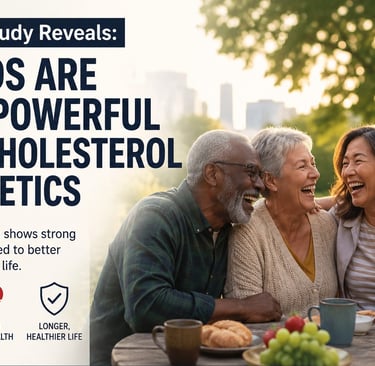
Science and medicine increasingly show that nurturing positive social connections can reduce stress, strengthen physical health, support mental resilience, and even extend life.
The Science of Social Support and Stress Reduction
Positive relationships act as a natural buffer against life's challenges. When we spend time with uplifting friends, our bodies respond in measurable ways. Supportive interactions lower levels of cortisol, the primary stress hormone. Elevated cortisol over time contributes to inflammation, weight gain, high blood pressure, and weakened immunity. Friends help counteract this by promoting relaxation and emotional safety.
Research demonstrates that people facing stressful tasks show lower heart rate and blood pressure reactivity when a supportive friend is present compared to facing the challenge alone. Even the perception of a hill appears less steep when walking with a friend, illustrating how social support literally changes our view of obstacles.
Physical Health Benefits Backed by Research
The advantages extend far beyond feeling better emotionally. Strong social ties correlate with improved cardiovascular health, better immune function, and reduced risk of chronic disease.
A landmark 2010 meta-analysis by Julianne Holt-Lunstad and colleagues reviewed 148 studies involving over 308,000 participants. It found that individuals with stronger social relationships had a 50 percent increased likelihood of survival compared to those with weaker connections. This effect size rivals or exceeds well-known risk factors such as smoking or obesity.
The Centers for Disease Control and Prevention highlights that social connection helps protect against heart disease, stroke, dementia, and depression. People with healthy relationships tend to adopt better habits, including healthier eating and more physical activity, which compound these benefits.
Positive friendships also support immune system strength. Social connection influences gene expression related to inflammation and immunity, helping the body fight illness more effectively and recover faster.
Mental Health and Cognitive Protection
On the mental side, positive friends provide emotional validation, reduce feelings of isolation, and foster a sense of belonging. Adults with strong social connections report lower rates of depression and anxiety, higher self-esteem, and greater life satisfaction.
The Harvard Study of Adult Development, one of the longest-running studies on human happiness and health, began in 1938 and continues today. Researchers found that close relationships at age 50 were a stronger predictor of physical health and happiness at age 80 than cholesterol levels, social class, or genetics. People satisfied with their relationships experienced slower mental and physical decline.
Social engagement also guards cognitive health. Studies show that frequent positive social contact is associated with reduced risk of dementia. One analysis indicated that strong social engagement could lower dementia risk by around 19 percent. Contact with friends often proves particularly protective.
Therapeutic Effects in Everyday Life
Spending time with positive people triggers the release of beneficial hormones like oxytocin (the bonding hormone) and serotonin, which elevate mood and promote calm. These interactions create a therapeutic cycle: better mood leads to more engagement, which further reinforces health.
For those recovering from illness or facing challenges, supportive friends improve adherence to treatment plans and provide practical and emotional assistance that speeds healing.
Building and Maintaining Positive Connections
Quality matters more than quantity. Focus on relationships characterized by mutual respect, encouragement, and genuine care. Small, consistent interactions such as regular coffee meetups, shared hobbies, or honest conversations build these bonds over time.
In a world that sometimes prioritizes productivity over people, remember that tending to friendships is an investment in long-term health.
References
Holt-Lunstad J, et al. Social Relationships and Mortality Risk: A Meta-analytic Review. PLOS Medicine. 2010.
Mayo Clinic Staff. Friendships: Enrich your life and improve your health. Mayo Clinic. Updated periodically, referenced 2023-2025 content.
Waldinger R. The Harvard Study of Adult Development. Ongoing since 1938, key findings reported 2017 and later.
American Psychological Association. The science of why friendships keep us healthy. Monitor on Psychology. June 2023.
Centers for Disease Control and Prevention. Social Connection. May 2024.
Additional supporting studies from Frontiers in Psychology (2023) and related reviews on social support and health.